

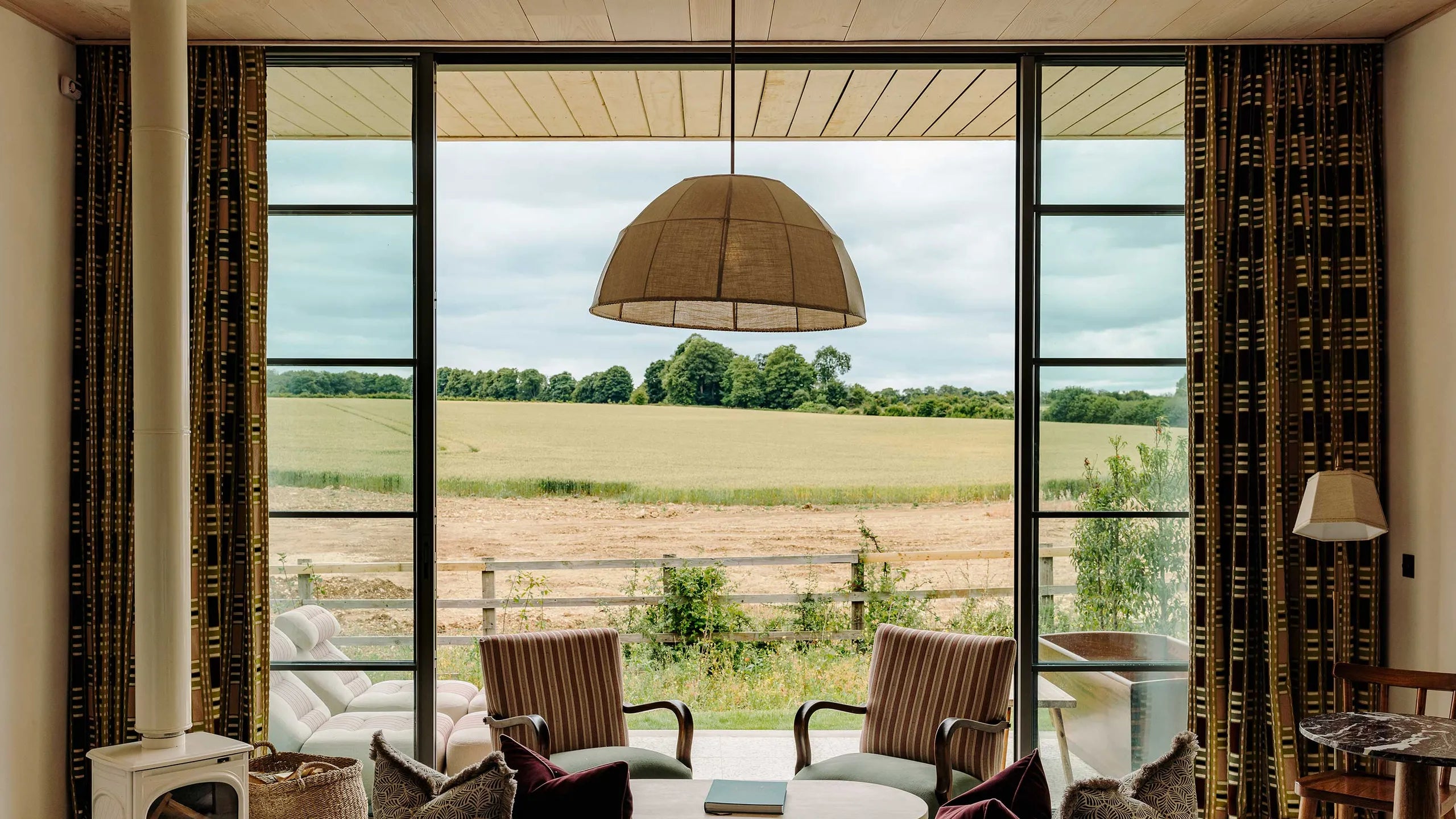
©Soho Farmhouse
Why Members’ Clubs and Luxury Hotels Don’t Mix
The idea of combining a members’ club with a luxury hotel sounds appealing. In practice, the two concepts rarely coexist in a way that feels genuinely high-end. Luxury depends on privacy, calm and a sense of removal. Members’ clubs thrive on energy, density and visibility. When combined, one almost always undermines the other.
The problem becomes obvious in execution. Estelle Manor is beautifully designed, but it rarely feels exclusive. Public spaces are consistently busy, and the atmosphere leans more social than serene. The result is a property that looks luxurious but feels crowded.
Aman New York is a more surprising case. Aman’s reputation is built on restraint and sanctuary-like environments, yet the members’ club energy overwhelms the experience. Even spaces that should feel restorative, such as the gym, function more like shared amenities than places of retreat. For a brand defined by quiet excellence, the contrast is jarring.
Soho House has always been a members’ club first and a hotel second, and it shows. Pools are crowded, common areas are busy, and the tone is unapologetically performative. That works for its audience, but it is fundamentally at odds with the expectations of luxury hospitality.
There are rare exceptions. The Emory in London demonstrates that the model can work, but only with strict limits and clear intent. Crowd control feels deliberate rather than reactive, and during recent stays, wellness and fitness spaces remained notably calm. It proves the issue is not the concept itself, but how rigorously it is managed.
Beyond logistics, there is a deeper cultural mismatch. Members’ clubs attract people who want to be seen. Luxury hotels attract people who want to disappear. When those motivations collide, the experience becomes diluted.
When everyone has access, nothing feels exclusive. And without exclusivity, true luxury is difficult to sustain.
Read more

Is Cuixmala Mexico’s most beautiful hotel?
Cuixmala is widely admired for its beauty, but that alone doesn’t define it.
Read more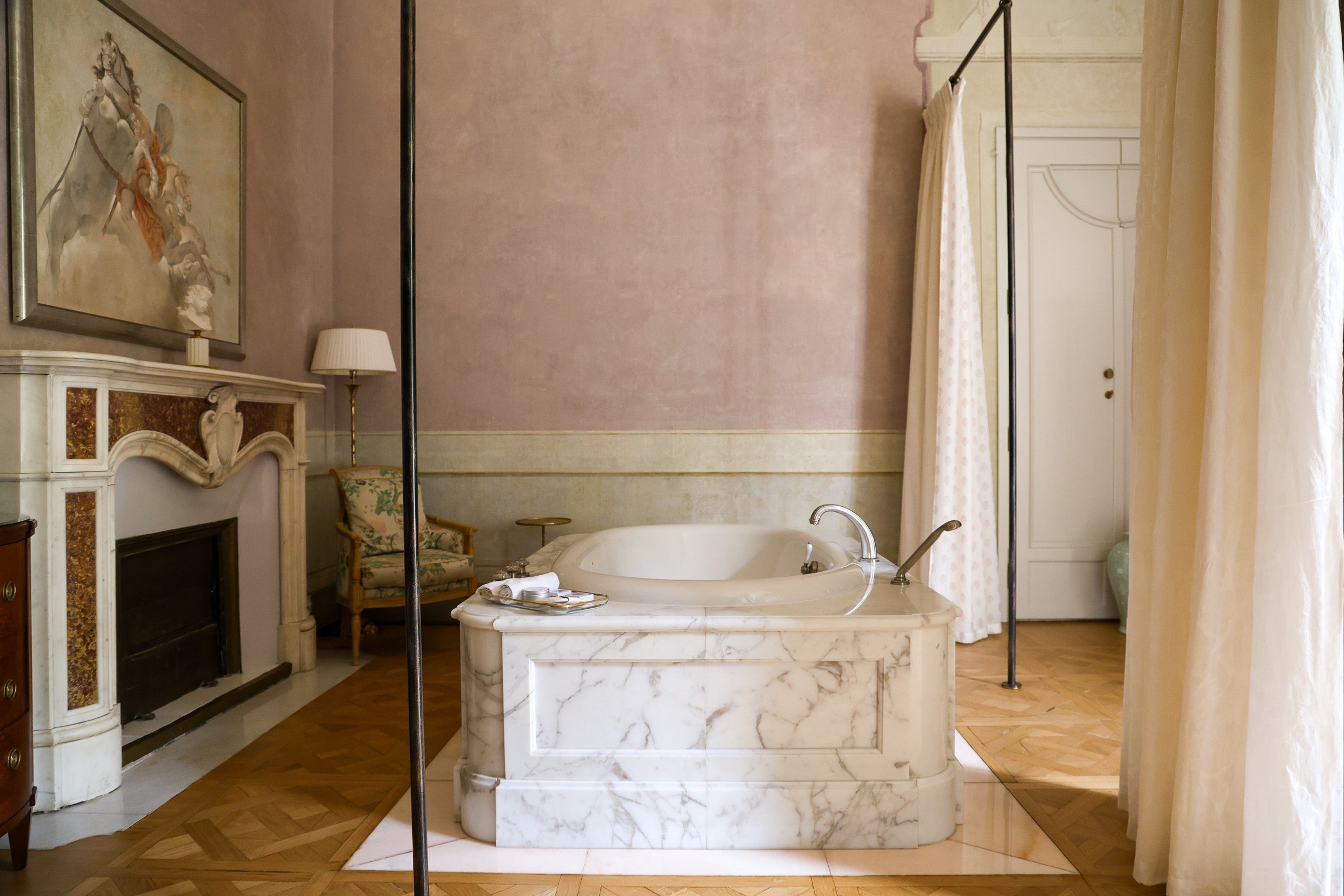
Four Seasons Hotel Firenze Review: A Resort-Style Florentine Palace
Four Seasons Firenze offers something few Florence hotels can: 11 acres of private gardens, resort-style facilities and genuine breathing room, all within walking distance of the Duomo. In this hon...
Read more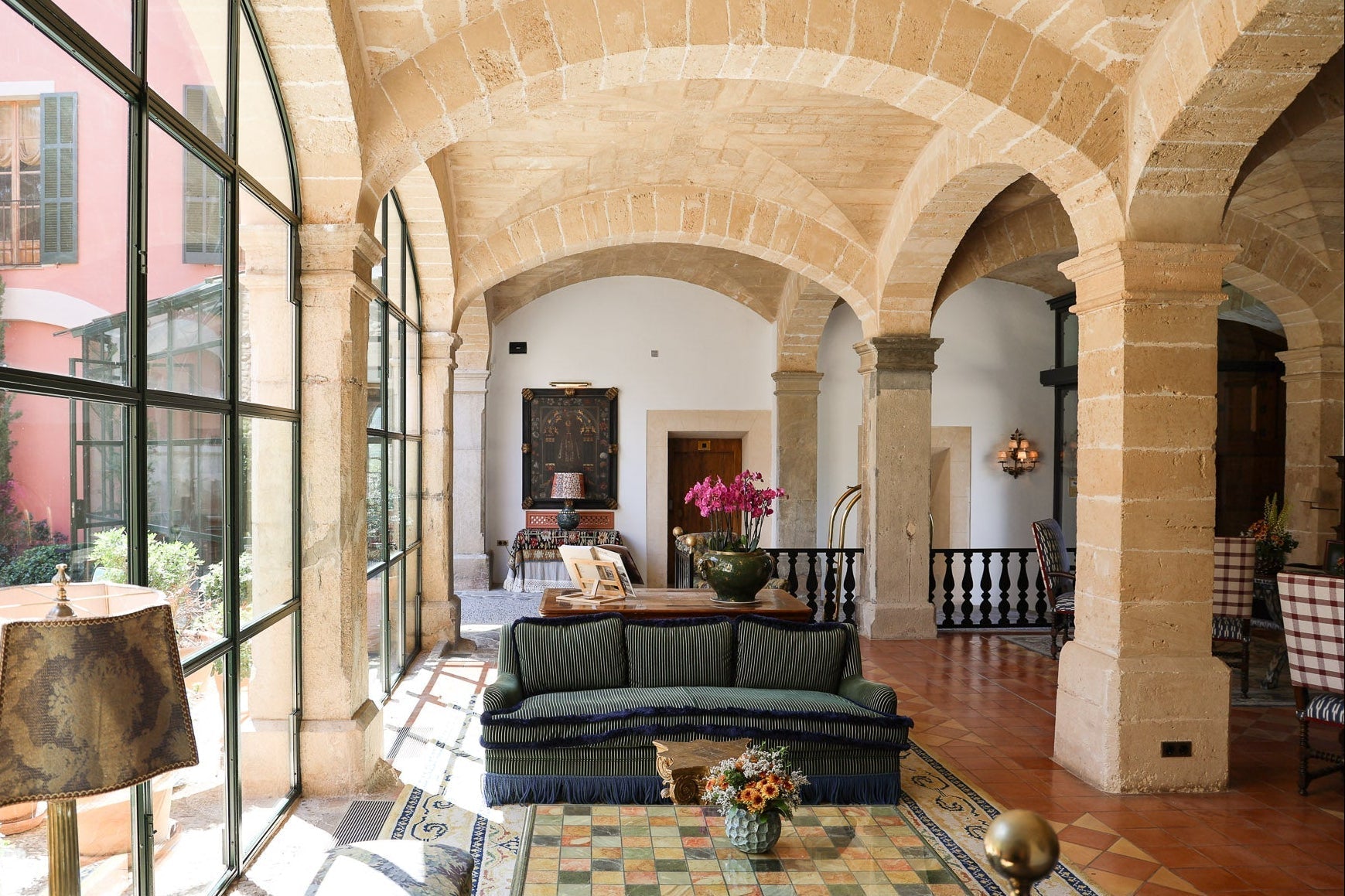
Grand Hotel Son Net Review: A Beautifully Restored Mallorcan Finca
Son Net is one of those rare hotels that feels even better in person than it does online. In this honest review, we cover the rooms, dining, service and atmosphere at this beautifully restored Mall...
Read more